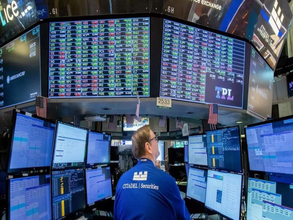


Global equity markets delivered a mixed but ultimately resilient performance on Wednesday, November 11, 2026, as investors navigated the tension between persistent artificial intelligence optimism and renewed concerns over U.S. inflation and monetary policy. Asian markets closed mostly higher, led by strong gains in Japan, South Korea and Taiwan on robust semiconductor and AI-related demand. European stocks advanced modestly. U.S. markets, after a soft close the previous day driven by hotter-than-expected inflation data, showed signs of recovery in futures and early trading as positive corporate results from the AI infrastructure sector restored some confidence.
The session underscored the market’s dual focus: the enduring strength of the AI trade versus the risk that sticky inflation could force the Federal Reserve into a more aggressive stance at its December meeting. Treasury yields remained elevated, the dollar strengthened, and oil prices fluctuated, adding complexity for investors positioning for the rest of the year.
Wall Street: Inflation Pressure Meets AI Rebound
U.S. stocks closed lower on Tuesday, November 10, as hotter-than-expected October inflation data revived concerns about the Federal Reserve’s next moves. The S&P 500 fell 0.38% to 7,520.93, the Nasdaq Composite declined 0.74% to approximately 25,065.88, and the Dow Jones Industrial Average slipped 0.30% to 52,231.89. The Russell 2000 also retreated. The 10-year Treasury yield climbed toward 4.98–5.00%, reflecting expectations of tighter policy, while the VIX eased slightly but remained elevated relative to recent lows.
The inflation print, coming in above consensus, prompted traders to increase the probability of a rate hike in December, with some Fed commentary even floating the possibility of a larger-than-usual move. This weighed particularly on growth and technology stocks, which had already shown sensitivity to higher discount rates. Oil prices had softened in prior sessions, offering some offset, but the bond market’s reaction dominated sentiment.
By Wednesday, the tone shifted. Futures pointed higher, and reports indicated the S&P 500 and Nasdaq were climbing as cloud firm CoreWeave delivered strong third-quarter results and raised guidance. The beat helped ease worries about the sustainability of AI infrastructure spending, a key narrative that had driven much of the year’s equity gains. Tech names and semiconductor-related stocks led the rebound, with broader indexes recovering ground lost the previous day.
Investors watched several cross-currents. Elevated yields continued to pressure valuation multiples for long-duration growth assets. At the same time, corporate earnings from the AI ecosystem provided a fundamental counterweight. The market’s ability to absorb the inflation surprise without a deeper sell-off suggested that the AI narrative still carries significant weight among institutional participants. Veterans Day affected bond trading but did not close equity markets, allowing continuous price discovery.
For the year to date, major U.S. indexes remained in positive territory, though the Nasdaq’s lead had narrowed relative to the Dow in recent weeks, reflecting rotation and rate sensitivity. Volatility remained contained compared with earlier stress periods, but the path of inflation data and Fed communication will likely dictate near-term direction.
Asian Markets: Semiconductor Strength and Divergent China Performance
Asian equities closed mostly higher on November 11, with technology and chipmakers providing the primary engine of gains. Japan’s Nikkei 225 rose 1.31% to 61,248.59, extending a multi-session advance and reclaiming levels above 61,000. The broader Topix also advanced. Semiconductor equipment and related names contributed, even as SoftBank Group faced pressure following a large quarterly loss reported earlier.
South Korea’s KOSPI surged 2.6% to 5,375.36, one of the strongest performances in the region. Samsung Electronics and SK Hynix posted solid gains on renewed AI chip demand optimism. Taiwan’s Taiex led the pack with a roughly 3.6% advance, powered by Taiwan Semiconductor Manufacturing Company (TSMC). TSMC shares rose after reporting October revenue nearly six times higher than the prior year, reinforcing the view that AI-related chip demand remains robust. The company also approved further investments tied to major AI players.
Mainland Chinese markets were more measured. The Shanghai Composite gained 0.46% to 3,680.64, while the Shenzhen Component advanced more strongly. Hong Kong’s Hang Seng Index, however, declined nearly 1% to 24,315.92, underperforming the region. Investors cited residual caution from the U.S. inflation data and a cautious stance on Chinese growth and property-related risks. China’s Singles’ Day shopping festival began, with early sales data expected to offer a read on consumer demand in the world’s second-largest economy.
Australia’s S&P/ASX 200 posted modest gains in earlier trading before settling mixed to slightly higher. Broader Asia-Pacific sentiment benefited from the AI narrative outweighing the overnight Wall Street softness. Currency moves, including a firmer dollar against several regional currencies, created mixed implications for exporters and importers.
The divergence within Asia—strong performance in Japan, Korea and Taiwan versus softer Hong Kong—highlighted the continued importance of technology exposure. Markets with heavy semiconductor and AI infrastructure weightings outperformed those more tied to Chinese domestic demand or financials. For global investors, the session reinforced that AI capital expenditure remains a powerful regional driver even when U.S. macro data turns less friendly.
European Stocks: Steady Gains Amid Tech Support
European equities advanced on Wednesday, supported by the same AI and semiconductor optimism that lifted Asia and by relatively constructive domestic data in some countries. Germany’s DAX rose approximately 0.7–0.9%, trading near 26,540–26,590. France’s CAC 40 gained around 0.3–0.4% to levels near 8,310. The UK’s FTSE 100 advanced about 0.4% to the 10,790–10,800 area. The Euro Stoxx 50 also posted solid gains.
Technology and industrial names performed well. European chip and equipment companies benefited from the CoreWeave-related sentiment, with reports of notable advances in names such as Infineon, ASML and others. Siemens Energy stood out in some sessions after raising long-term revenue targets amid strong demand for power infrastructure linked to data centres and energy transition needs. Banking and certain cyclical sectors showed more mixed performance, reflecting higher yields and growth concerns.
German inflation data showing a moderate reading provided some support for the DAX, reducing immediate pressure on the European Central Bank’s outlook relative to the more hawkish U.S. narrative. Sterling and the euro faced some pressure against the dollar as U.S. yields rose, but equity markets appeared more focused on corporate fundamentals and the global tech rebound than on currency moves alone.
Overall, Europe participated in the positive risk tone without the same intensity of gains seen in parts of Asia. The region’s heavier weighting toward industrials, financials and consumer names meant the AI boost was more selective, concentrated in specific technology and energy-transition beneficiaries.
What Investors Should Know
Several themes stand out for investors navigating the current environment.
First, the AI trade retains significant momentum. Strong results and guidance from companies involved in AI infrastructure, cloud computing and semiconductors continue to provide fundamental support even when macro data turns adverse. The CoreWeave earnings reaction demonstrated that positive company-specific news can quickly reverse sentiment in the sector. Investors with exposure to this theme should monitor capital expenditure trends, utilisation rates at data centres, and the sustainability of demand from hyperscalers and AI model developers. At the same time, valuations remain elevated in many of these names, leaving them vulnerable to any sustained rise in real yields or a genuine slowdown in spending.
Second, inflation and monetary policy remain the dominant macro risks. The hotter U.S. October inflation print has raised the odds of further Fed tightening. Higher policy rates and bond yields increase the discount rate applied to future cash flows, pressuring growth stocks disproportionately. Investors should watch upcoming inflation releases, labour market data and Fed speakers closely. A scenario in which inflation proves more persistent could force a broader re-rating of equity multiples. Conversely, any signs of cooling could quickly reinstate the “soft landing” narrative that has supported risk assets for much of the year.
Third, regional divergences create both opportunities and risks. Asia’s semiconductor-heavy markets have shown resilience and leadership. Japan benefits from corporate governance reforms and a weaker yen in certain periods, while Korea and Taiwan remain pure plays on global chip demand. Hong Kong and parts of mainland China continue to trade with a discount reflecting domestic challenges. European markets offer a more balanced exposure but may lag in pure AI upside. U.S. large-cap technology still dominates global indexes, so performance there remains critical for international portfolios.
Fourth, commodity and currency dynamics matter. Oil prices have been volatile, influenced by geopolitical factors and demand expectations. A sustained rise would feed into inflation concerns; a further decline could ease them. The stronger dollar creates headwinds for emerging-market assets and non-U.S. earnings translated back into dollars. Gold has shown mixed performance as real yields and the dollar compete for influence.
Fifth, positioning and risk management deserve attention. Volatility has been contained relative to the magnitude of recent macro surprises, suggesting markets are still willing to look through near-term noise. However, crowded trades in AI-related names and elevated valuations increase the potential for sharp corrections if sentiment shifts. Diversification across regions, styles (growth versus value) and asset classes remains prudent. Fixed-income duration and credit quality also warrant review given the rise in yields.
Looking ahead, the remainder of November and December will feature important data releases, corporate earnings updates and the next Fed decision. Investors should maintain flexibility. The combination of strong AI fundamentals and uncertain macro conditions favours a selective approach: overweight high-quality companies with durable competitive advantages in growth areas, while maintaining buffers against higher rates and potential volatility spikes. Geopolitical developments, energy markets and Chinese economic data will provide additional catalysts.
In summary, global markets on November 11, 2026, illustrated the ongoing tug-of-war between technological optimism and traditional macro constraints. Asian strength in semiconductors, European steadiness and a U.S. recovery attempt after the inflation scare all point to a market still willing to reward growth narratives—provided they are backed by concrete results. For investors, the message is clear: stay informed on both the AI capital cycle and the inflation trajectory, manage concentration risk carefully, and prepare for continued two-way volatility as the year draws to a close.