


Home and Garden Harmony: Creating Beautiful, Sustainable Living Spaces
A Home That Grows With You
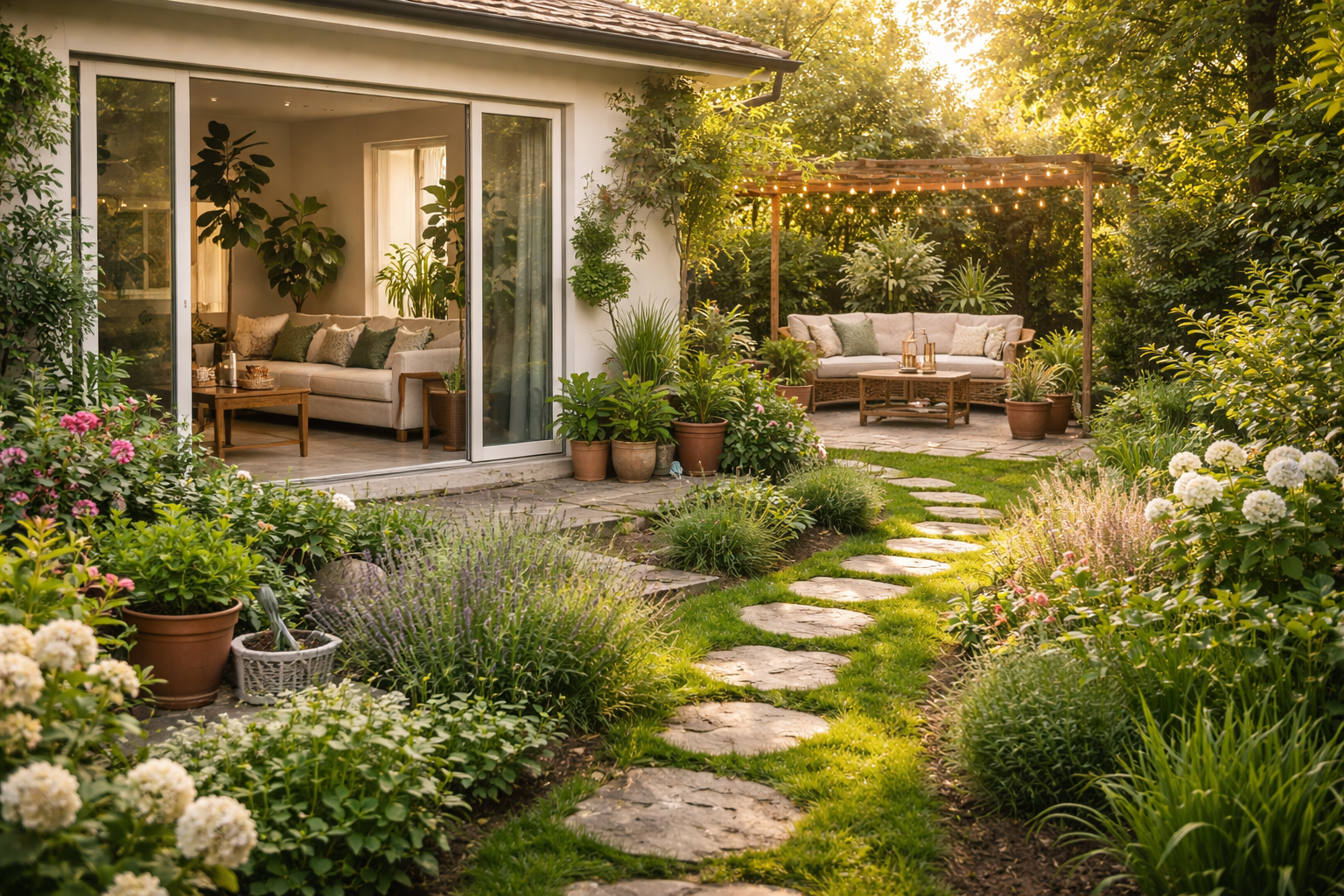
Home and garden design is no longer only about aesthetics. Today, our living spaces are expected to do much more: nurture wellness, connect us to nature, support sustainability, and adapt to the changing rhythm of everyday life. Whether you live in a small city apartment or a sprawling suburban home, the connection between indoor comfort and outdoor greenery is becoming the heart of modern living. Creating harmony between home and garden can transform your space into a sanctuary—calm, practical, and full of life.
The Shift Toward Nature-Integrated Living
Over the past few years, more homeowners have turned toward designs that blur the lines between indoors and outdoors. Large windows, glass doors opening onto patios, potted indoor trees, and herb planters on balconies are becoming everyday features. This trend is inspired not only by style, but by science: greenery reduces stress, improves air quality, and boosts mood.
Even a few plants can change how a space feels. A snake plant or peace lily in the living room adds texture and natural color. A cluster of succulents brightens work desks. Vertical gardens turn blank walls into living artwork. What matters most is creating a visual and emotional link to nature—something human beings are instinctively drawn to.
Designing Gardens for Real Life
A garden does not need to be grand to be meaningful. In fact, the most successful gardens today are low-maintenance, biodiversity-friendly, and personal. Instead of chasing perfection, homeowners are embracing natural shapes, mixed planting, and seasonal variation.
Native plants play a powerful role. They require less watering, attract pollinators like butterflies and bees, and thrive in local climates. Wildflower patches are replacing flat lawns in many homes because they are both environmentally friendly and visually enchanting. Edible gardening is also on the rise, with families growing tomatoes, herbs, leafy greens, citrus, and even chillies in small terraces or kitchens.
For those short on space, container gardening and balcony gardens provide smart solutions. Hanging planters, railing pots, tiered plant stands, and vertical trellises let even the tiniest area support thriving greenery. The goal is not size—it’s cultivating life.
Outdoor Spaces as Living Rooms
Another powerful trend is the transformation of gardens into outdoor extensions of the home. A backyard or terrace is no longer simply a functional area; it is becoming an open-air living room. Comfortable seating, fire pits, pergolas, string lights, outdoor rugs, and weather-resistant furniture create warm gathering spots for reading, dining, and conversation.
Small spaces benefit from foldable furniture or built-in benches. Larger yards are adding zones—one for dining, one for lounging, one for gardening or children’s play. Water features, even small tabletop fountains, introduce soothing soundscapes. Combined with the scent of flowers and the movement of leaves, these elements create the tranquil retreat many people crave in busy lives.
Bringing the Garden Indoors
Indoor plants have moved far beyond decoration. They are now an integral part of interior design, used to soften architectural lines and add depth and movement to rooms. Tall, architectural plants like fiddle-leaf figs, rubber plants, or areca palms make bold statements in corners. trailing plants like pathos or philodendron spill beautifully from shelves. Kitchen windows host basil, mint, and rosemary, providing both greenery and fresh flavor in meals.
Natural materials such as rattan, bamboo, wood, clay, and linen complement plant life, reinforcing the organic aesthetic. Earthy tones—olive, clay, sand, forest green—are replacing stark whites and greys, making homes feel warmer and more grounded.
Sustainability at the Heart of Modern Homes
Sustainability is no longer optional—it is becoming central to design choices. Homeowners are seeking energy-efficient lighting, recycled or upcycled furniture, water-saving irrigation, compost bins, and solar solutions. Collecting rainwater in barrels to water gardens, choosing LED lighting, and using organic fertilizers support both cost savings and environmental preservation.
In the garden, mulching beds reduces evaporation and weed growth, while drip irrigation ensures precise watering. Indoors, switching to natural cleaning products protects plant life and household health. The emphasis is on creating a home that works with nature rather than against it.
Creating Emotional Well-Being Through Spaces
A well-designed home and garden do more than look good—they feel good. Biophilic design, the practice of integrating nature into the built environment, is linked to improved concentration, reduced anxiety, and better sleep. Quiet garden corners encourage mindfulness and reflection. Sunlit reading nooks surrounded by plants become personal sanctuaries.
Even the act of gardening itself supports mental health. Tending soil, pruning leaves, and watching plants grow offers a sense of purpose and calm. Families are rediscovering gardening as a shared activity for children and adults—one that teaches patience, responsibility, and appreciation for life’s slow processes.
Practical Tips to Get Started
You don’t need a large budget or a complete renovation to create harmony between your home and garden. A few simple steps can begin the transformation:
- Start with three to five easy-care plants.
- Choose native or climate-appropriate species.
- Add soft outdoor lighting for evening ambience.
- Create one dedicated “nature corner” indoors.
- Use natural textures like wood, jute, and terracotta.
- Replace a section of lawn with flowers or herbs.
- Add mirrors indoors to reflect greenery and light.
- Compost kitchen scraps to nourish your garden
With time, these small actions create noticeable changes in how your home feels and functions.
A Living, Evolving Space
Your home and garden will never be truly “finished”—and that is the beauty of it. Plants grow, seasons shift, tastes evolve. Instead of aiming for static perfection, embrace your home as a living ecosystem that changes alongside you. Let vines climb, flowers reseed, and new ideas take root.
When indoor comfort and outdoor greenery work together, they form a natural harmony that enriches daily life. The result is not just a beautiful house or a lovely garden—but a nurturing environment that supports health, creativity, and connection. In a fast-paced world, creating such spaces is one of the most meaningful investments you can make in your well-being.