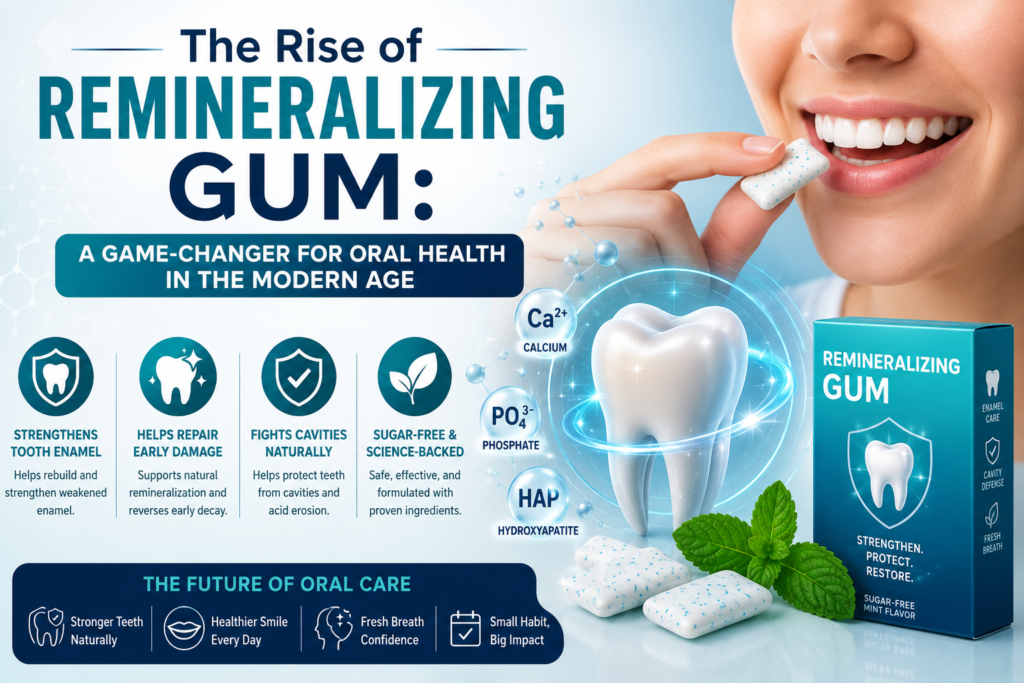
The Viral Spark: Underbrush and the Natural Gum Movement
While the concept of mineral-enhanced gums isn’t entirely new—earlier products used casein phosphopeptide-amorphous calcium phosphate (CPP-ACP) like Recaldent in some Trident variants—the 2024-2025 surge is driven by clean-label, plastic-free formulations.
Nathan & Sons’ Underbrush Remineralising Gum stands out as the poster child. Launched with a focus on natural tree saps (chicle, mastic, and spruce) instead of synthetic polyvinyl acetate or butadiene styrene rubber, it avoids microplastics, aspartame, sucralose, and artificial dyes. Ingredients include organic xylitol, nano-hydroxyapatite, calcium bentonite clay, magnesium carbonate, zinc gluconate, and natural flavours from essential oils.
Users rave about the texture—firmer and longer-lasting than conventional gums—and the subtle mastic mint flavour with herbal undertones. “It gives a clean feeling, it’s helped my teeth, strengthens jaws & teeth,” one reviewer noted. Many report smoother teeth, fresher breath that lasts, and reduced sensitivity after consistent use (recommended 2-4 pieces daily for 20-30+ minutes each).
The brand emphasises ethical sourcing: natural resins are harvested sustainably, supporting traditional methods and avoiding the environmental toll of plastic-based gums that can take centuries to degrade. This resonates in a market increasingly conscious of “forever chemicals” and microplastics. TikTok and Instagram fueled its virality, with before-and-after testimonials, dentist endorsements, and comparisons to “poison-filled” mainstream options.
Other players have entered the fray. Enamio focuses heavily on high-purity nano-hydroxyapatite, while brands like Larine and Vanman offer variations with additional botanicals. Even established names are exploring enhancements, but the indie natural segment dominates the buzz.
Historical Context and Evolution of Chewing Gum as Medicine
Chewing gum has ancient roots. The Maya and Aztecs used chicle sap, while ancient Greeks chewed mastic resin from the Pistacia lentiscus tree for oral hygiene and digestion. In the 19th-20th centuries, commercial gums became sugary treats, but scientific interest in functional benefits grew in the late 20th century.
By the 1980s-1990s, sugar-free gums with xylitol gained traction in Scandinavia and Japan for caries prevention. Clinical trials demonstrated reduced S. mutans counts and fewer new cavities in habitual chewers. The addition of calcium compounds marked the next evolution. In situ studies (where enamel samples are worn in the mouth) showed that gums with CPP-ACP could double remineralisation rates compared to standard sugar-free options.
The modern remineralising gum wave builds on this foundation but leverages nanotechnology and consumer demand for transparency. Post-2020 health awareness, amplified by social media, accelerated adoption. The October 2024 “discovery” on trend platforms coincided with broader oral microbiome research and scepticism toward fluoride-only approaches for some users.
How Remineralising Gum Works: Mechanisms and Evidence
Chewing stimulates saliva flow up to 10-fold, delivering a mineral-rich buffer. Bioactive additives enhance this:
- Saliva Stimulation and Acid Neutralisation: Bicarbonate raises pH quickly.
- Antibacterial Action: Xylitol disrupts bacterial adhesion and metabolism.
- Direct Mineral Delivery: nHA particles bind to demineralised sites, acting as a scaffold for new crystal growth. Zinc and magnesium support gum health and enzyme functions.
- Mechanical Cleaning: The chew scrapes plaque and debris.
Evidence is promising but varies. Systematic reviews support xylitol gums for caries reduction (up to 30-60% in some populations with high use). nHA studies, primarily in dentifrices, show comparable efficacy to fluoride for early lesions and sensitivity relief, with fewer concerns about fluorosis. Gum-specific trials are emerging, with users and preliminary data reporting smoother enamel feel within days and measurable benefits over weeks to months.
Limitations exist: Results depend on consistent use, overall diet, and baseline oral health. It’s not a replacement for brushing, flossing, or professional care. Severe decay requires dental intervention. Some studies note that while microhardness improves, bulk mineral ratios may not shift dramatically in the short term.
Dentists generally view these as safe adjuncts. “Xylitol and nHA align with evidence-based strategies,” note professionals in reviews, though they call for more large-scale, product-specific RCTs.
Benefits Beyond Teeth: Whole-Body and Lifestyle Impacts
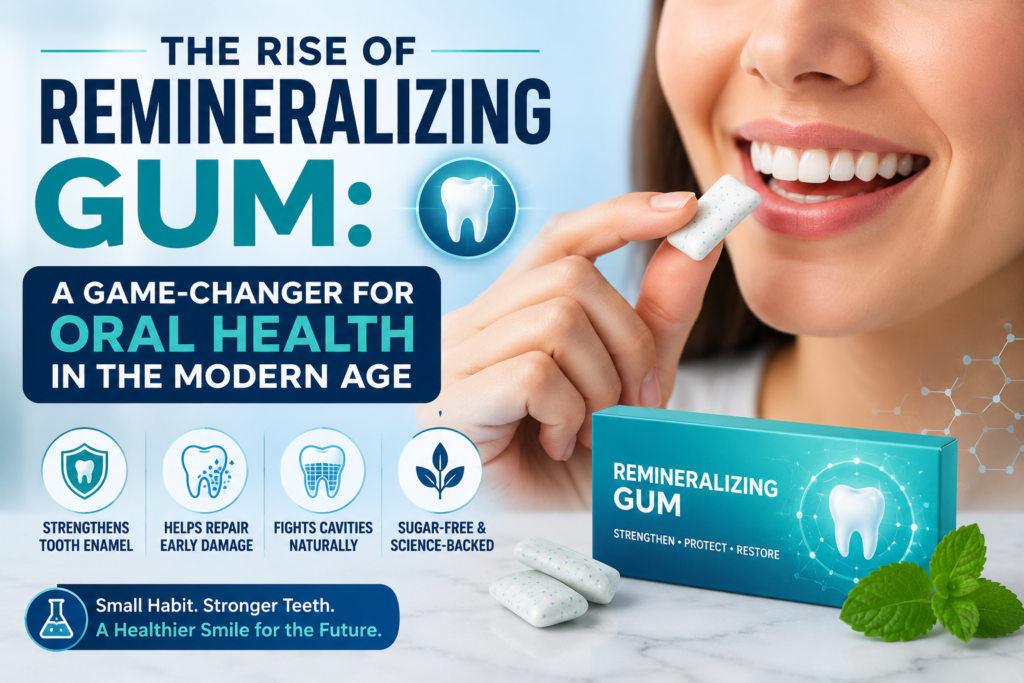
Remineralising gum offers multifaceted perks:
- Cavity Prevention and Sensitivity Relief: Ideal for high-risk individuals (braces wearers, dry mouth sufferers, frequent coffee/tea drinkers).
- Breath Freshening: Natural antimicrobials outperform minty masks.
- Jaw and Muscle Health: Prolonged chewing strengthens masticatory muscles, potentially aiding TMJ and even facial definition.
- Microbiome Balance: Supports beneficial bacteria over pathogens.
- Convenience: Portable “on-the-go” care between meals.
- Environmental Wins: Biodegradable bases reduce plastic waste.
Anecdotal reports include better sleep from reduced nighttime acidity, fewer cravings for sweet snacks, and improved confidence from fresher breath and whiter appearance. For parents, it’s a kid-friendly (in moderation) tool against childhood caries.
Market Disruption and Economic Implications
The oral care market, valued at over $40 billion globally, is shifting. Traditional giants like Wrigley and Mars face pressure from clean-ingredient disruptors. Underbrush and peers command premium pricing ($2-4 per pack), justified by quality sourcing, but volume sales are climbing.
E-commerce, subscription models, and social proof drive growth. Counterfeit issues have arisen due to popularity, underscoring brand authenticity. Projections suggest the functional gum segment could capture a significant share as search interest sustains and clinical data accumulates.
Challenges include higher costs, shorter flavour duration in some natural formulas, and the need for education—many still see gum as mere candy.
User Stories and Expert Perspectives
Sarah Q.: “Like getting in another brushing mid-day… my mouth actually feels cleaner.”
Hannah S.: “My breath is better… highly recommend.”
Dentists echo cautionary optimism: Great for adjunctive use, especially with xylitol and nHA, but integrate with comprehensive hygiene. Nutritionists highlight low-glycemic benefits for diabetics.
Potential Drawbacks and Considerations
Not everyone benefits equally. Those with allergies to tree saps or xylitol sensitivity (digestive upset in high doses) should consult professionals. Over-reliance could neglect core habits. Long-term safety of high nHA intake is favourable but ongoing. Cost may deter some, though subscriptions help.
The Future: Innovation on the Horizon
Expect flavoured varieties (tropic twist, cinnamon), smart packaging, or combinations with probiotics/prebiotics. Integration with apps tracking chew time or pH? Personalised formulas via saliva testing? As research advances, remineralising gums could become standard in preventive dentistry, potentially reducing global caries burden.
Broader implications touch sustainability, public health policy, and the “food as medicine” movement. In a world of quick fixes, this represents mindful, incremental care.
Conclusion: Chew Your Way to Healthier Teeth?
Remineralising gum embodies the intersection of ancient wisdom, modern science, and consumer empowerment. From its October 2024 breakout to mainstream potential, it challenges us to rethink daily habits. While not a miracle cure, consistent use alongside proven practices offers a tasty, proactive step toward stronger enamel and better health.
As search volumes continue climbing, one thing is clear: the future of oral care is chewable. Whether you’re battling sensitivity, seeking natural alternatives, or simply wanting fresher breath with benefits, remineralising gum deserves a spot in your routine. Your teeth—and the planet—might just thank you.
==