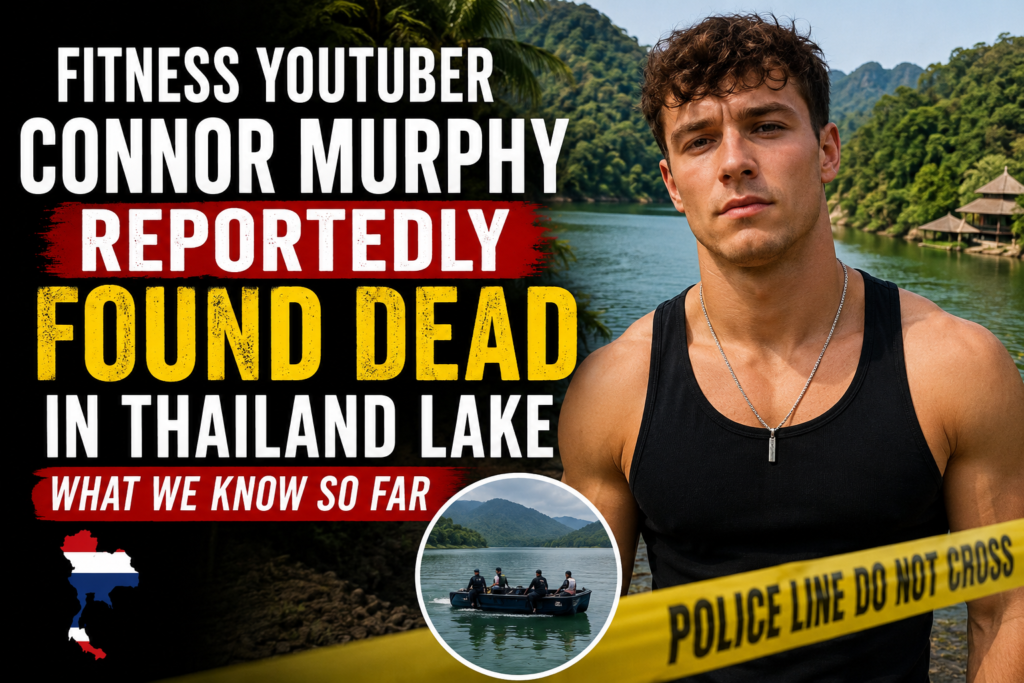
Fitness YouTuber Connor Murphy Reportedly Found Dead in a Lake in Thailand
July 8, 2026
In a tragic turn of events that has sent shockwaves through the fitness and social media communities, prominent American YouTuber and fitness influencer Connor Murphy has reportedly drowned in a lake in Samut Prakan province, Thailand. Thai authorities recovered the body of the 32-year-old (or 31, per varying reports) on July 7, 2026, following reports of erratic behaviour at a luxury rental property. While the incident details have been widely circulated by Thai media outlets like ThaiRath and international fitness publications such as Fitness Volt, as of this writing, there has been no official confirmation from Murphy’s family or representatives.
This developing story raises profound questions about the pressures of online fame, the physical and mental toll of extreme fitness lifestyles, and the vulnerabilities that can accompany life in the spotlight—especially for content creators who build empires on personal transformation and charisma.
The Incident: What We Know So Far
According to multiple reports, emergency services were called to a luxury residential area in Bang Phli district, Samut Prakan province, shortly after 3 p.m. local time on July 7. Witnesses described a foreign man—later identified by authorities as Connor Michael Murphy—engaging in highly erratic and destructive behaviour.
ThaiRath and other local sources reported that Murphy allegedly went on a rampage inside the rental home, covering the interiors with paint. He was then seen rolling on the asphalt outside, yelling, and offering money to bystanders. When police arrived, he reportedly fled into a nearby lake on what appears to be a golf course or residential complex grounds. He swam vigorously until he became exhausted and submerged in water estimated to be over 10 meters deep, approximately 20 meters from shore.
Divers recovered his body after about 30 minutes of searching. No signs of foul play were immediately apparent. Investigators found two unused syringes in his vehicle and unknown pills in a waist bag, but officials emphasised these items do not confirm a cause of death. An autopsy and toxicology tests are pending, and the U.S. Embassy has been notified.
A 22-year-old woman identified as Murphy’s girlfriend of approximately three years spoke to reporters, though details of her statements remain limited in initial coverage. The luxury setting—a high-end rental—suggests Murphy was living a lifestyle aligned with his successful online persona, yet the circumstances point to a sudden, dramatic crisis.
As investigations continue, speculation has naturally turned to possible contributing factors: substance use, mental health struggles, the long-term effects of performance-enhancing drugs common in bodybuilding circles, or even an undiagnosed medical event exacerbated by intense physical activity. These remain unconfirmed, and authorities urge caution against premature conclusions.
Who Was Connor Murphy? A Rise from Texas Roots to Global Influence

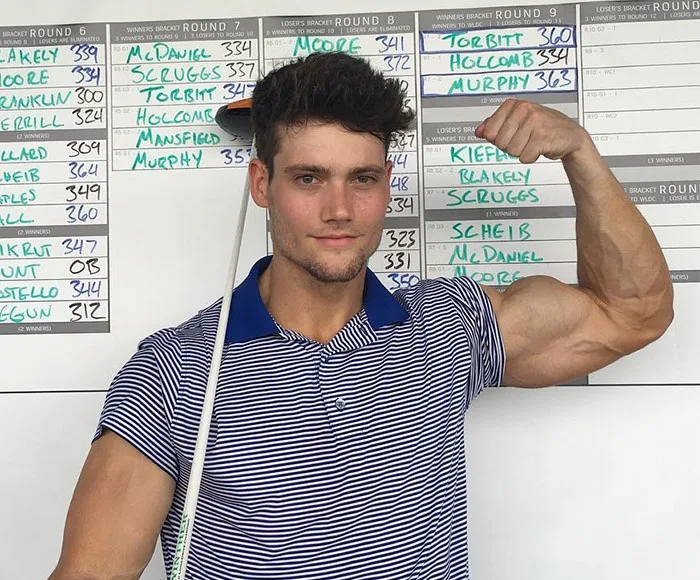
Connor Murphy was born around 1994 in Texas, entering the world at a time when the internet was just beginning to reshape personal branding and fitness culture. He launched his YouTube channel on January 9, 2016, initially focusing on bodybuilding transformations, prank videos, and “social experiments” that blended humour, charisma, and jaw-dropping physique showcases.
Murphy’s early content capitalised on the “looksmaxxing” trend—optimising physical appearance through rigorous training, grooming, fashion, and sometimes controversial advice. His chiselled jawline, symmetrical features, and rapid muscle gains made him a poster child for the movement. Videos like fake shirt tricks, where he demonstrated illusions of even larger muscles, went viral and helped amass millions of subscribers. By the time of his reported death, his main channel boasted over 2 million subscribers, with content spanning fitness advice, spirituality (under the “Murphyism” banner), and personal vlogs.
Friends and collaborators described him as energetic, bold, and larger-than-life. He collaborated with figures like Tony Huge, known in enhanced bodybuilding communities, and was praised for his “superhuman” work ethic and presence. Tributes flooding social media highlight his influence on young men seeking confidence through self-improvement.
Murphy’s journey was not without controversy. The fitness influencer space often intersects with debates over steroid use, mental health, and the sustainability of extreme aesthetics. While Murphy was open about training and supplementation, he faced accusations and rumours—common in the industry—regarding PEDs (performance-enhancing drugs). His pivot toward spirituality and “Murphyism” suggested a search for deeper meaning beyond the physical, possibly reflecting internal struggles amid public scrutiny.
In recent years, Murphy spent significant time in Thailand and other Southeast Asian locales, drawn perhaps by the fitness scene, lower costs, digital nomad appeal, and vibrant expat communities. Thailand has long been a hub for bodybuilders and influencers seeking training, recovery, or escape. Tragically, it became the site of his final moments.
The Broader Context: Fitness Influencers and Hidden Struggles
Murphy’s story fits into a larger pattern of challenges facing male fitness influencers. The industry demands constant content creation, impeccable visuals, and an aura of invincibility. Behind the filtered photos and motivational speeches often lie gruelling schedules, dietary extremes, sleep deprivation, and pressure to maintain unnatural physiques.
Cases like those of Zyzz (Aziz Shavershian) and others who died young in Thailand have fueled online lore about the “Thailand curse” in bodybuilding circles—though these are largely anecdotal and tied to lifestyle risks rather than any literal pattern. Murphy’s reported erratic behaviour echoes concerns about “roid rage,” psychedelic experimentation, or mental health episodes, topics frequently discussed but rarely addressed head-on in influencer culture.
Experts note that anabolic steroid use, even when managed, can impact cardiovascular health, hormone balance, and mood regulation. Combined with travel, jet lag, potential substance use, and isolation far from home, the risks compound. Murphy’s discovery of syringes and pills, while not conclusive, underscores the need for greater transparency and support in the community.
Mental health resources for creators remain inadequate. Platforms profit from engagement, but burnout, comparison culture, and parasocial relationships take a toll. Murphy’s shift to spirituality may have been an attempt to find balance, yet the demands of virality persisted.
Career Highlights and Legacy
Murphy’s content evolution mirrored broader trends. Early prank and transformation videos built his audience. He popularised accessible “looksmaxxing” tips—me wing exercises, skincare routines, posture work—that resonated with teens and young adults insecure about their appearance.
His “social experiment” videos often involved approaching strangers with bold confidence, showcasing how physical presence and mindset could alter social dynamics. These were entertaining but drew criticism for potential manipulation or reinforcing superficial values.
Later, the Murphyism channel delved into philosophy, self-actualisation, and critiques of modern society. He spoke of evolution, longevity, and breaking free from conventional paths. Collaborations amplified his reach, and his physique served as living proof of his methods.
Fans remember him as inspirational. Comments across Instagram and YouTube tributes speak of watching him in middle school, gaining confidence from his advice, and feeling a personal loss. Fitness personalities like Greg Doucette offered public condolences.
His legacy includes popularising terms and techniques in the manosphere-adjacent fitness space while highlighting its pitfalls. At its best, his work encouraged discipline and self-care; at its worst, it may have glamorised unsustainable extremes.
Reactions from the Community and Beyond
Social media erupted within hours of the reports. Hashtags like #RIPConnorMurphy trended, with thousands sharing memories, old videos, and condolences. Some expressed disbelief, noting the speed of unverified news in the influencer era. Others speculated on causes, ranging from drugs to conspiracy theories—though responsible outlets stress waiting for official findings.
Tony Huge, a frequent collaborator, reportedly informed others of the drowning and praised Murphy’s abilities. Fitness Volt and other sites published detailed timelines, amplifying the story globally.
Family silence has fueled anxiety among fans, a common occurrence in sudden celebrity deaths where privacy is prioritised amid grief and legal processes.
Thai authorities continue their work, with the body sent for full examination. International coverage has been sympathetic yet cautious, balancing respect for the deceased with public interest in the details.
Reflections on Fame, Fitness, and Fragility
Connor Murphy’s reported death at such a young age forces a reckoning. In an era where influencers seem immortal through edited highlights, the human cost is often invisible. Physical perfection does not equate to inner peace or longevity. Murphy embodied the pursuit of an ideal—strong, attractive, charismatic—yet the lake in Thailand claimed him amid apparent distress.
This tragedy calls for better support systems: mandatory wellness checks for creators, destigmatization of mental health discussions in fitness, regulation of supplement and PED advice, and recognition that behind every viral transformation is a vulnerable person.
For aspiring influencers and fans, Murphy’s story is a reminder to prioritise sustainable health over aesthetics, community over clout, and professional help when needed. Thailand’s beauty and opportunities for reinvention come with risks—cultural dislocation, easy access to substances, and distance from support networks.
A Life Cut Short: What Lies Ahead
As the investigation unfolds, more details may emerge about Murphy’s final days, relationships, and any underlying issues. Pending toxicology results could clarify the role of substances, if any. Memorials, potential documentaries, and continued discussion of his content seem inevitable.
Connor Murphy leaves behind a massive digital footprint: videos that motivated millions, debates he sparked, and a community shaped by his influence. At 32, he had already achieved what many dream of—financial independence through passion, global recognition, and a platform for ideas.
Yet his story ends not in triumph but in mystery and sorrow on foreign shores. It underscores life’s unpredictability and the importance of cherishing connections beyond the screen.
Friends, family, and fans are urged to seek support. Organisations like the International Association for Suicide Prevention offer resources, and fitness communities are beginning conversations on longevity beyond the gym.
In the words of many tributes: “You mirin’ brah?”—Murphy’s playful catchphrase—now carries a poignant weight. Rest in peace, Connor Murphy. Your impact endures, even as we mourn the man behind the muscles.
This article is based on available reports as of July 8, 2026, and will be updated with official confirmations or further developments. Our thoughts are with Murphy’s loved ones.
==