

Ireland and Afghanistan began a significant five-match ODI series in Northern Ireland this week.
Ireland and Afghanistan kick off new eras with five-match ODI series.
The teams face leadership transitions and a long road toward qualification for the 2027 World Cup.
The series ran from 5 to 15 August 2026.
Additionally, it opened at Bready Cricket Club Ground in Magheramason, County Tyrone.
Initially, the first two matches were scheduled there.
Subsequently, it shifted to Stormont (Civil Service Cricket Club) in Belfast for the final three, Ireland and Afghanistan kick off new eras with five-match ODI series.
For Ireland, the series represents the first ODIs under new head coach Gary Wilson. The former Ireland international, who made 292 appearances across formats, took charge just a day after the team’s historic 2-0 T20I series win over India in late June, succeeding Heinrich Malan in a planned transition. Wilson, the first Irish-born men’s head coach in more than 30 years, inherits a side seeking consistency in the 50-over format after a 15-month gap since their last ODIs (a drawn series against West Indies in May 2025). Captain Paul Stirling returns from injury to lead a squad featuring familiar names such as Andrew Balbirnie, Harry Tector, Lorcan Tucker, Curtis Campher, George Dockrell and Mark Adair, alongside first-time ODI call-ups including Jai Moondra (who impressed in the India T20Is), Ben Calitz and Byron McDonough. Jonathan Trott is also involved as a short-term consultant.
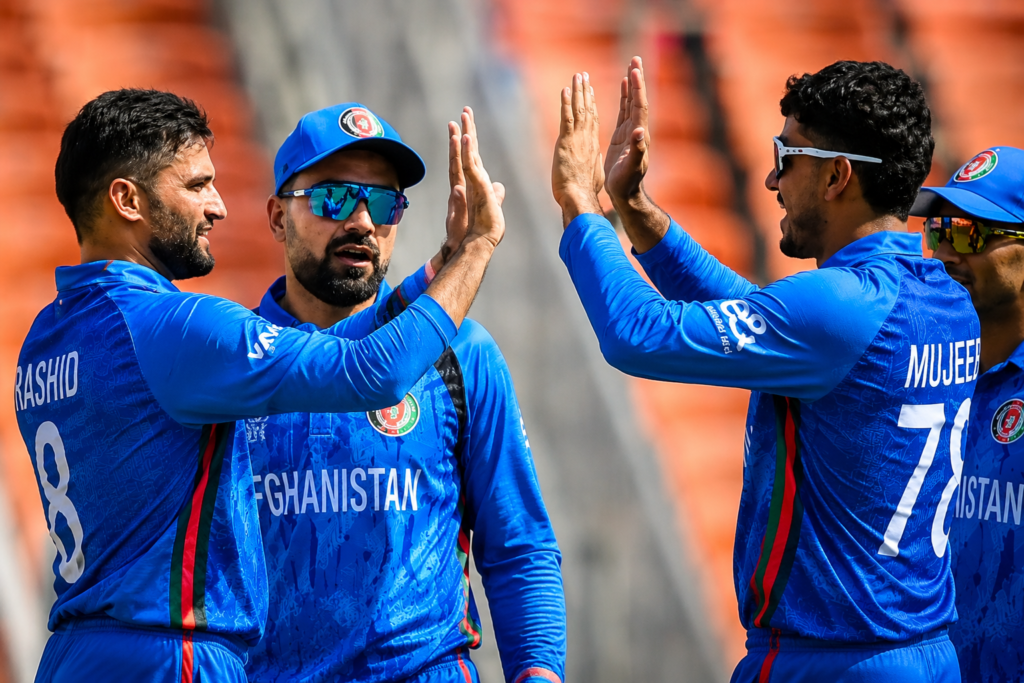
Afghanistan enter a new leadership phase of their own. Experienced middle-order batter Rahmat Shah has been appointed ODI and Test captain after Hashmatullah Shahidi stepped down, with Rahmanullah Gurbaz named vice-captain. Shah, Afghanistan’s leading ODI run-scorer with more than 4,100 runs, takes charge for the first time. Richard Pybus is the head coach following Jonathan Trott’s earlier departure, and Shane McDermott has joined as assistant and fielding coach. The 15-member squad includes key figures such as Ibrahim Zadran, Sediqullah Atal, Hashmatullah Shahidi (now a regular player), Azmatullah Omarzai, Rashid Khan, Fazalhaq Farooqi and Yamin Ahmadzai.
Afghanistan hold a clear edge in recent head-to-head meetings, having won their last six completed ODIs against Ireland (the last Irish victory came in 2019). They defeated Ireland 2-0 in a three-match series in Sharjah in 2024 and currently sit eighth in the ICC ODI rankings (around 90 rating points), while Ireland occupy 12th (around 54 points). Five-match bilateral ODI series have become rarer in the modern calendar. Still, both teams view this contest as valuable preparation: Afghanistan aim to consolidate their ranking and automatic qualification path, while Ireland, likely headed for the World Cup Qualifier, will use the games to experiment, blood younger players and build depth.
Bready has limited men’s ODI history (just one previous fixture, in 2019) but produced high-scoring surfaces in recent women’s matches. Conditions in Northern Ireland in early August can be unpredictable, as the washed-out opener demonstrated. George Dockrell sits three wickets short of becoming Ireland’s leading ODI wicket-taker, adding a personal milestone to watch.
The series also carries off-field context. Cricket Ireland proceeded with the fixtures despite acknowledging “moral discomfort” among board members over the Taliban’s restrictions on women’s cricket and broader treatment of women and girls in Afghanistan. Other nations have avoided or cancelled bilateral series with the Afghan men’s team since 2021. Cricket Ireland has invited the exiled Afghanistan women’s team to play fixtures in Ireland as part of its approach.
With World Cup qualification points and development opportunities on the line, both sides begin new eras seeking momentum. The remaining matches offer Ireland a chance to reverse recent trends on home soil and Afghanistan an opportunity to assert continued progress under fresh leadership. The second ODI at Bready on 7 August will provide the first on-field action of the series.