

New Delhi / Tehran / Washington | October 11, 2026
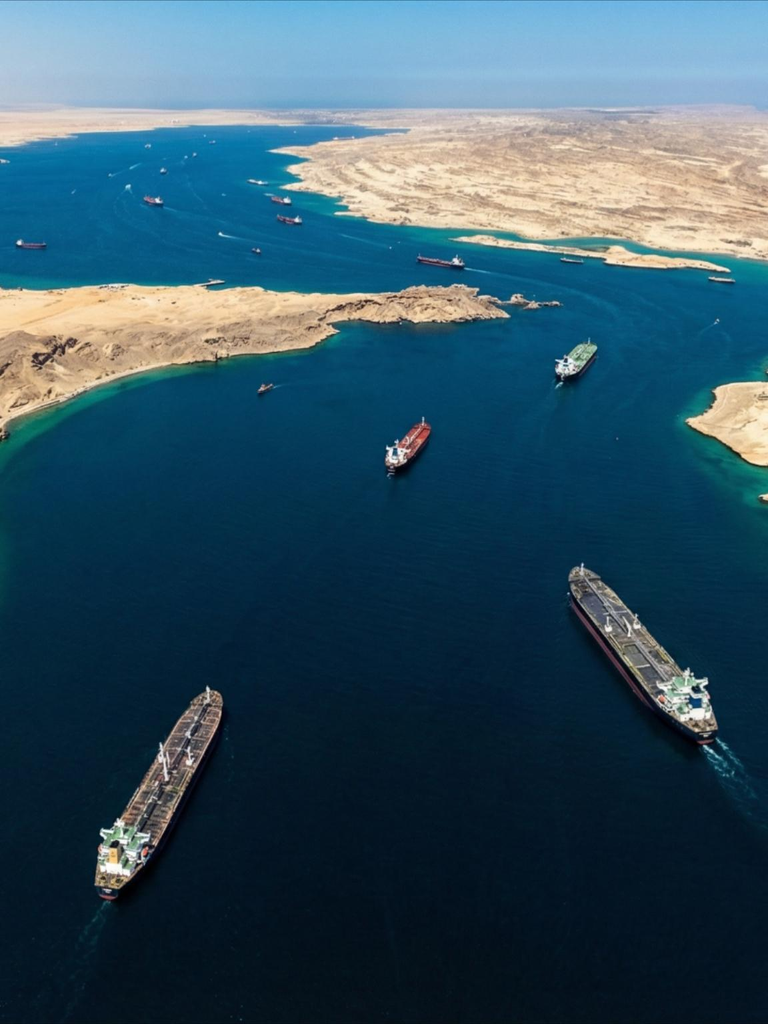
More than seven months into the conflict that began with U.S. and Israeli strikes on Iran on February 28, the Strait of Hormuz remains one of the most dangerous and constricted waterways in the world. On Day 226 of what maritime trackers now call the Hormuz crisis, commercial shipping through the narrow chokepoint that links the Persian Gulf to the open ocean continues at a fraction of pre-war levels. AIS-visible traffic has hovered around 10 per cent of the pre-crisis average of roughly 85 vessels a day, with only a handful of crossings recorded in recent 24-hour periods. Iran claims full control and requires transit permits; the United States maintains a naval blockade of Iranian ports and coordinates limited protected transits. The result is a volatile, low-volume corridor marked by near-daily attacks on tankers, elevated insurance costs, and persistent uncertainty over global energy supplies.
The strategic importance of the strait is hard to overstate. In peacetime, it carried approximately one-fifth of the world’s oil and a significant share of liquefied natural gas. Today, crude outflows have swung sharply, with recent daily volumes reported at 4.7–11 million barrels and multi-day averages well below historical norms. A laden crude tanker was struck off the UAE earlier this month, and October has seen a surge in attacks—nearly daily strikes on ships in or near the strait, according to the International Maritime Organisation and UK Maritime Trade Operations. Both sides have targeted vessels: Iran has fired on ships it deems to be using “illegal” routes, while U.S. forces have disabled vessels alleged to be violating the blockade or supporting Iran’s war effort. Sailors, including Indian nationals, have been injured.
A brief ceasefire framework reached in June collapsed in July. Indirect talks have continued, mediated in part by Qatar and others, but a durable reopening of the strait appears unlikely in the near term. Iran has demanded an end to the U.S. blockade and sanctions relief as preconditions for fully restoring traffic. Washington has kept the blockade in place and has signalled that major new military action against Iran is off the table at least until after the U.S. midterm elections. The standoff has produced a grinding “tanker war” dynamic: limited, attritional strikes rather than a decisive campaign, yet enough to keep freight rates, war-risk insurance premiums and oil prices elevated. Brent crude has traded above $100 a barrel for extended periods, reflecting both physical tightness and a substantial geopolitical risk premium.
Oil Supply Risks: Global Markets on Edge
The disruption ranks among the most severe shocks to energy trade since the Second World War. Global crude and refined-product supplies have fallen by roughly 20 per cent from pre-crisis flows through the strait, and LNG has also been significantly affected. Alternative routes and pipeline bypasses exist but cannot fully compensate. Saudi Arabia and other Gulf producers have increased use of the Red Sea and other outlets where possible, yet Houthi activity in the Bab el-Mandeb has added a second layer of risk, complicating the picture further. Floating storage, commercial inventories and strategic reserves have provided some buffer, but prolonged restriction of Hormuz continues to tighten physical markets and raise the cost of moving energy.
For oil-importing nations, the combination of higher prices, longer voyage times, elevated freight and insurance, and intermittent supply interruptions creates a multi-pronged challenge. Producers able to ship around the crisis—particularly those with Atlantic or Pacific-facing export capacity—have gained relative advantage. Russia, already a major supplier to several Asian markets under discounted terms, has seen its role expand. Yet the overall system remains fragile: any sharp escalation that further reduces transits or triggers broader insurance market withdrawal could push prices significantly higher and force demand destruction.
Impact on India: Energy Security Under Pressure
India stands among the countries most exposed to the crisis. The nation imports roughly 85–90 per cent of its crude oil requirement and substantial volumes of LNG and LPG. Before the war, a large share of those imports—particularly from Saudi Arabia, Iraq, the UAE and Qatar—moved through the Strait of Hormuz. More than half of India’s crude imports were linked to the waterway in some analyses, and LPG dependence on the Gulf route was even higher, approaching 90 per cent in normal times.
The immediate physical impact has been severe. Dozens of Indian-flagged or Indian-interest vessels were caught on the wrong side of the strait when traffic collapsed. As of recent reports, more than 20 Indian-linked ships remained stranded or delayed in the Persian Gulf, carrying hundreds of thousands of tonnes of crude, LPG and LNG. Government officials have prioritised the safe exit of these vessels before deploying additional units into the region. Several crews have been injured in attacks; the Foreign Ministry has confirmed Indian nationals among the wounded.
India responded with rapid diversification. Crude imports from Russia surged, supplemented by volumes from the United States, Venezuela, Africa and other sources. Domestic LPG production was ramped up, and alternative suppliers in North America, Europe and elsewhere were tapped. Total crude import volumes were sustained at high levels even as the Middle Eastern share collapsed. Strategic petroleum reserves and commercial stocks provided a temporary cushion—India’s combined storage offers roughly two to two-and-a-half months of cover under normal consumption—but the buffer is finite and does not fully insulate against price spikes or product-specific shortages such as cooking gas.
The economic costs have been substantial. Analysts estimate additional fossil-fuel import costs in the tens of billions of dollars since the crisis began. Higher oil prices feed into inflation through fuel, transportation and input costs. A sustained rise in crude can add tens of basis points to both wholesale and consumer price indices, depending on the degree of pass-through to retail petrol, diesel and LPG prices. The current account and the rupee face pressure from a larger energy import bill, especially when global freight and insurance premia are also elevated. Rating agencies and research houses have flagged India as particularly vulnerable among major Asian economies to a prolonged Hormuz disruption, citing risks of weaker growth, higher inflation and fiscal strain if subsidies expand to shield consumers.
Secondary effects compound the challenge. Fertiliser imports and industrial feedstocks that rely on Gulf logistics have been disrupted. Refineries have had to adjust crude slates, sometimes at the cost of optimised yields. Households have felt the pinch through intermittent LPG tightness and the broader inflationary impulse. Policymakers have emphasised multi-route energy security—diversifying suppliers, expanding storage (including for refined products and potentially gas), and accelerating domestic production and renewables—but officials and experts acknowledge that Gulf barrels cannot be fully replaced in the short term because of volume, quality, cost and infrastructure constraints.
Diplomatic and Strategic Outlook
Diplomatic efforts continue in the background. Qatari and other mediators have facilitated contacts, and Iran has floated proposals to reopen the strait under certain conditions. Washington has kept the door to talks open while maintaining the blockade and limited protective operations for commercial shipping. Neither side appears eager for a full-scale resumption of high-intensity hostilities, yet neither is prepared to concede core demands. The result is a grinding status quo of restricted traffic, sporadic attacks and elevated global energy prices.
For India, the crisis has crystallised long-standing lessons about energy security. Diversification of suppliers is necessary but insufficient when maritime chokepoints remain vulnerable. Building deeper strategic reserves, developing alternative import corridors, investing in domestic upstream capacity, and integrating storage policy across fuels and electricity have moved higher on the policy agenda. GAIL and other companies have explored long-term LNG deals with U.S. projects; refiners continue to optimise sourcing on commercial terms. Yet the structural exposure remains: India is a high-growth economy with rising energy demand and limited near-term ability to substitute away from seaborne hydrocarbons.
As of October 11, 2026, the Strait of Hormuz is neither fully open nor completely closed. It is restricted, contested and dangerous. Oil continues to move, but at lower volumes, higher cost and greater risk. For global markets, the crisis sustains a risk premium that keeps prices elevated. For India, it is a daily test of resilience—one that has so far been managed through pragmatic sourcing and policy intervention, but that continues to exact a measurable economic toll and underscores the urgency of deeper energy-security reforms. The coming weeks will show whether diplomacy can produce even a partial, durable reopening or whether the tanker war and the associated supply risks persist into the winter months.