
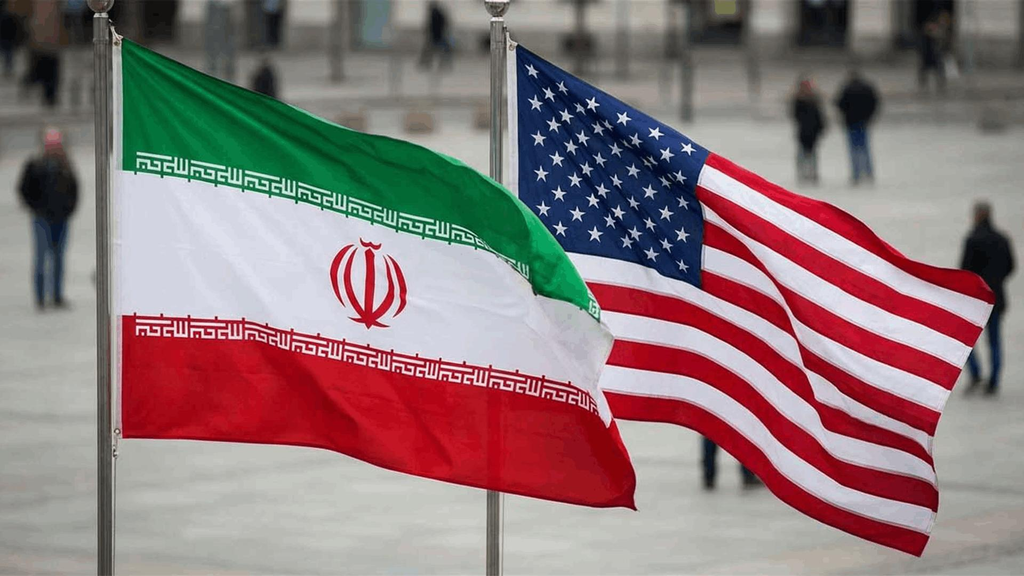
As of late October 2026, the protracted conflict between the United States and Iran remains locked in a dangerous stalemate, with fears of renewed large-scale fighting rising sharply. Iranian President Masoud Pezeshkian has publicly blamed Washington for the collapse of an interim diplomatic arrangement, while U.S. President Donald Trump has floated the possibility of further military action under the codename of the original campaign. The Islamic Revolutionary Guard Corps has warned that even limited strikes would draw a response “several times greater.” Oil markets are on edge, the Strait of Hormuz remains contested, and nuclear questions have returned to the centre of the deadlock.
The current phase of hostilities traces its immediate origins to February 28, 2026, when the United States and Israel launched coordinated strikes on Iranian targets under Operation Epic Fury. Those initial attacks targeted military infrastructure, missile facilities, and elements of Iran’s nuclear program. In the months that followed, the fighting evolved into a grinding contest of attrition. A naval blockade imposed by the United States has constrained Iranian oil exports, while Tehran has sought to disrupt commercial shipping through the Strait of Hormuz—the critical chokepoint for roughly one-fifth of the world’s seaborne oil trade.
A brief diplomatic opening appeared in mid-June. On June 17, Presidents Trump and Pezeshkian signed a Memorandum of Understanding, brokered with Pakistani assistance, that envisioned a temporary de-escalation, reopening of the strait, and a 60-day window for further talks. That understanding unravelled by early July. Trump declared the MOU “over,” exchanges of fire resumed, and the blockade remained in place. By October, the conflict had stretched beyond 200 days of intermittent combat and economic warfare.
In recent days, the rhetoric has intensified. Trump remarked that he “may do another little Epic Fury,” while also indicating that any major decision could wait until after the November 3 midterm elections. Iranian officials have responded with defiance. Armed Forces Chief of Staff Ali Abdollahi stated that U.S. forces would not be permitted in the Gulf “under any circumstances.” Foreign Minister Abbas Araghchi has insisted that Tehran is prepared to return to diplomacy only if Washington first demonstrates seriousness by lifting the naval blockade and addressing sanctions. Iranian security officials have drawn a firm red line on nuclear material, declaring that “not a single gram” of enriched uranium will leave the country.
The nuclear file has re-emerged as a central obstacle. Before the 2025–2026 strikes, Iran had accumulated significant stocks of uranium enriched to 60 per cent—far above the levels needed for civilian power generation but short of weapons-grade material. U.S. and Israeli attacks damaged key facilities at Natanz, Isfahan, and elsewhere. The current status of the remaining stockpile and production capacity remains opaque because International Atomic Energy Agency inspectors have been denied full access. Washington continues to demand meaningful limits on enrichment or the removal of highly enriched material. Tehran treats enrichment as a sovereign right under the Nuclear Non-Proliferation Treaty and refuses to surrender the material it still holds.
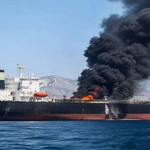
Economic pressure is acute on both sides. The U.S. blockade has prevented Iran from exporting large volumes of oil by sea, costing Tehran tens of billions of dollars in potential revenue according to American assessments. In response, Iranian forces and proxies have mined or attacked vessels in the strait, driving insurance premiums higher and periodically pushing Brent crude prices above $110–115 per barrel. Global shipping has adapted through military escorts and alternative routing, yet the threat of sudden disruption continues to inject volatility into energy markets. Gulf Arab states, already absorbing the costs of regional instability, watch developments with growing unease.
Diplomatic channels have not entirely closed. Pakistan has played a consistent mediating role. Russian Foreign Minister Sergey Lavrov visited Tehran in mid-October, framing the trip as an effort to prevent a return to full-scale war. Indirect contacts continue through regional intermediaries, and Iran has kept a seven-day ceasefire proposal on the table that would reopen the strait in exchange for sanctions relief and the lifting of the blockade. U.S. officials, for their part, have signalled openness to talks while insisting that any durable settlement must address the nuclear program and the permanent security of shipping lanes.
What happens next depends on several interlocking variables: the outcome of the U.S. midterm elections, the willingness of either side to make sequenced concessions, the resilience of the Iranian regime under prolonged economic pressure, and the risk of miscalculation in the Gulf.
One plausible near-term path is a limited resumption of strikes after the midterms. Trump has repeatedly suggested that further military pressure may be required to force Iranian compliance. Targets could include remaining missile production sites, energy infrastructure, or command-and-control nodes. Iran has promised asymmetric retaliation—potentially against U.S. bases, commercial shipping, or regional energy facilities. Such an exchange would likely drive oil prices sharply higher and test the willingness of Gulf partners to host American forces.
A second scenario involves a negotiated freeze short of a comprehensive settlement. Under this outcome, the United States might ease the blockade in stages while Iran reopens the strait and accepts temporary monitoring arrangements. Nuclear issues would be deferred to a later phase of talks. This approach would lower immediate economic costs for both sides but leave the underlying strategic rivalry intact. Previous interim understandings have proven fragile; any new arrangement would require robust verification mechanisms and political cover on both sides.
A third possibility is prolonged low-intensity conflict. The United States continues the blockade and periodic limited strikes while Iran sustains harassment of shipping and supports proxy activity. Oil markets remain elevated, reconstruction of Iranian infrastructure is delayed, and both governments face domestic pressure—Trump from voters concerned about energy prices and military commitments, Iranian leaders from an economy already strained by years of sanctions and war damage. In this stalemate, neither side achieves decisive victory, yet neither is forced into capitulation.
A fourth, more remote outcome would involve significant internal change inside Iran. Prolonged economic hardship combined with military attrition could strengthen hard-line elements within the Islamic Revolutionary Guard Corps or, conversely, open space for pragmatic factions willing to accept deeper nuclear constraints in exchange for sanctions relief. Regime collapse or civil conflict remains a low-probability but high-impact risk that regional and global powers would struggle to contain.
Regional actors will shape the margins of any outcome. Israel continues to prioritise the permanent degradation of Iranian nuclear and missile capabilities and has signalled readiness to participate in further operations. Saudi Arabia, the United Arab Emirates, and other Gulf states seek stability in the strait and an end to proxy threats, yet they remain wary of becoming permanent battlegrounds. China and Russia have provided diplomatic and limited material support to Tehran while carefully managing their own economic interests in the region.
The human and economic costs already incurred are substantial. Iranian cities and infrastructure have suffered repeated strikes. American and allied forces have faced drone and missile attacks. Global energy consumers have absorbed higher prices. Shipping companies have rerouted or paid steep premiums. Civilian populations on all sides bear the cumulative burden of a conflict that has no clear off-ramp.
Diplomacy retains a narrow window. Iranian officials continue to state that they are ready for talks if the United States first demonstrates good faith by addressing the blockade and sanctions. American officials counter that Iran must first show seriousness on nuclear restrictions and the permanent security of the strait. Bridging that sequencing gap has proven the hardest part of previous negotiations. Without a credible mechanism that allows both sides to claim progress without appearing to concede core interests, the risk of renewed escalation will remain elevated through the remainder of 2026 and into 2027.
For now, the most immediate test is whether the period around the U.S. midterm elections produces a new round of military action or a renewed push for talks. Markets, regional governments, and populations across the Middle East are watching closely. The conflict that began with high-intensity strikes in February has settled into a war of attrition whose next chapter will be written by the willingness—or inability—of Washington and Tehran to move beyond mutual threats and zero-sum demands. The stakes for global energy security, regional stability, and nuclear non-proliferation remain extraordinarily high.