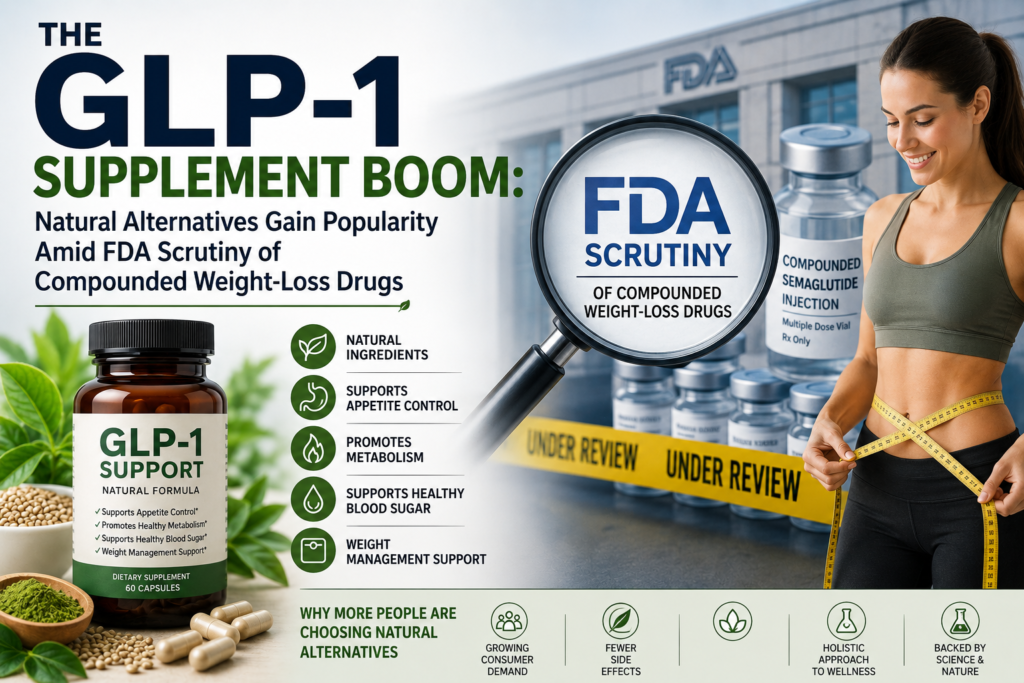
The GLP-1 Supplement Boom: A Natural Alternative Amid FDA Scrutiny of Compounded Weight-Loss Drugs
In the rapidly evolving landscape of metabolic health, a new player has emerged that promises to democratise the benefits of one of the most revolutionary hormones in modern medicine. On May 9, 2025, the first widely marketed GLP-1 supplement hit the shelves, igniting a surge in public interest that has seen search volumes skyrocket to 49.5K monthly with an astonishing +844% growth. These dietary products, designed to mimic or boost the effects of glucagon-like peptide-1 (GLP-1), are positioning themselves as accessible, over-the-counter alternatives to prescription GLP-1 receptor agonists like semaglutide (Ozempic, Wegovy) and tirzepatide (Mounjaro, Zepbound)—especially as compounded versions of these drugs face heightened regulatory crackdowns from the FDA.
For millions struggling with type 2 diabetes, obesity, and related metabolic disorders, this development represents both hope and hype. While pharmaceutical GLP-1 drugs have transformed treatment paradigms, their high costs, side effects, supply issues, and now regulatory hurdles have left many seeking gentler, more affordable options. GLP-1 supplements—typically containing ingredients like berberine, probiotics, fibre blends, herbal extracts, and other natural compounds—claim to support the body’s own production or activity of this satiety hormone without needles or prescriptions.
This article delves deep into the science, market dynamics, regulatory context, real-world experiences, potential benefits, risks, and future implications of GLP-1 supplements, painting a comprehensive picture of a trend that is reshaping wellness conversations in 2026.
Understanding GLP-1: The Hormone That Changed Everything
To appreciate the excitement around GLP-1 supplements, one must first understand the hormone itself. Glucagon-like peptide-1 is an incretin hormone produced primarily in the intestines in response to food intake. Discovered through foundational research in the 1980s by scientists like Joel Habener and Svetlana Mojsov, GLP-1 plays multiple critical roles in metabolism.
It stimulates insulin secretion from the pancreas in a glucose-dependent manner, helping to lower blood sugar levels without the risk of hypoglycemia common in some other diabetes treatments. It slows gastric emptying, promoting feelings of fullness and reducing appetite. It also influences brain centres involved in hunger regulation and has shown broader benefits, including cardiovascular protection, anti-inflammatory effects, and potential neuroprotective properties.
The development of synthetic GLP-1 receptor agonists (GLP-1 RAs) marked a breakthrough. Drugs like exenatide (derived from Gila monster venom) paved the way, followed by longer-acting options such as semaglutide. Clinical trials demonstrated remarkable outcomes: average weight loss of 15-20% or more in many patients, significant HbA1c reductions for diabetes management, and lowered risks of major adverse cardiovascular events.
By 2024-2025, demand exploded. Prescriptions surged, with millions of Americans using these medications not just for diabetes but for obesity and even off-label weight management. Projections estimate 25 million or more U.S. users by 2030, fueling a market potentially worth hundreds of billions globally.
However, success bred challenges. Shortages plagued supply chains. Prices remained high (often over $1,000 per month without insurance). Side effects like nausea, gastrointestinal distress, muscle loss, and “Ozempic face” (facial volume loss) became common talking points. Most critically, as shortages eased in early 2025, the FDA began restricting compounded versions—custom-mixed formulations from pharmacies that offered cheaper access but lacked full regulatory oversight.
Reports of dosing errors, counterfeit products, inconsistent potency, and adverse events mounted. The agency issued warnings, pursued enforcement actions against mass-compounding operations, and emphasised that compounded GLP-1s are not FDA-approved and carry unverified risks. This regulatory tightening created a vacuum that supplement manufacturers quickly filled.
The Birth of GLP-1 Supplements: From May 9, 2025, to Mainstream Hype
The specific launch referenced in market data traces back to May 9, 2025, when pioneering products—often branded with terms like “GLP-1 Support,” “Super GLP-1,” or natural boosters—began aggressive marketing campaigns. Unlike prescription drugs, these are dietary supplements regulated under the Dietary Supplement Health and Education Act (DSHEA) of 1994. They do not require pre-market FDA approval for safety or efficacy, though manufacturers cannot make disease-treatment claims without evidence.
Common formulations include:
- Berberine: A plant alkaloid often called “nature’s Ozempic” for its potential to influence AMPK pathways, gut microbiota, and incretin hormones. Studies suggest modest weight loss (around 1-2 kg) and blood sugar benefits.
- Prebiotic fibres and psyllium: These promote gut health and may indirectly boost endogenous GLP-1 secretion by slowing digestion and feeding beneficial bacteria.
- Probiotics and herbal blends: Strains like Akkermansia muciniphila or extracts from ginseng, green tea (EGCG), and others are included for synergistic effects on metabolism.
- Multivitamin companions: Products paired with B12, Vitamin D, magnesium, and others to address potential nutrient gaps associated with reduced appetite.
Search interest exploded post-launch. The +844% growth reflects pent-up demand from consumers priced out of or wary of injectables, combined with TikTok virality, influencer endorsements, and Amazon/Walmart accessibility. Products like Supergut GLP-1 Daily Support, Replenza, and various “GLP-1 Support” capsules flew off virtual shelves, often priced at $20-50 per month.
Experts from institutions like Harvard T.H. Chan School of Public Health caution that while interest is high, these supplements do not replicate the potency of pharmaceutical GLP-1 agonists. “They may offer mild support for appetite and glucose control through natural mechanisms,” one review noted, “but they are not equivalents.”
Science Behind the Supplements: Evidence, Mechanisms, and Limitations
Rigorous research on GLP-1 supplements is still emerging, contrasting with the thousands of studies on prescription versions. Natural compounds can modestly elevate GLP-1 levels or mimic aspects of its action:
- Soluble fibres delay nutrient absorption, triggering L-cells in the gut to release more endogenous GLP-1.
- Berberine and similar polyphenols may enhance GLP-1 secretion and improve insulin sensitivity.
- Certain probiotics alter the microbiome to favour incretin-producing pathways.
A 2025 study on one “super GLP-1” supplement reported a 22% increase in circulating GLP-1 levels, correlating with reduced cravings and better post-meal glucose responses. However, weight loss was typically in the 2-5% range over months—far below the 15%+ seen with drugs.
For the target demographic—adults with type 2 diabetes, prediabetes, obesity (BMI >30), or metabolic syndrome—these could serve as adjuncts or bridges. People with milder impairments or those transitioning off prescriptions might benefit most. Lifestyle integration is key: combining supplements with high-protein/fibre diets, resistance training, and calorie awareness amplifies effects.
Critics highlight placebo effects, variable product quality, and the lack of large-scale, long-term RCTs. The FDA does not evaluate supplements for efficacy, leading to concerns over contamination, inaccurate labelling, or overstated claims.
Regulatory Landscape: FDA Scrutiny and Consumer Protection
The FDA’s focus on compounded GLP-1s has indirectly boosted supplements. By clarifying policies in 2025-2026, the agency signalled that mass-produced compounded semaglutide and tirzepatide must largely cease unless meeting strict personalised compounding criteria.
This shift protects patients from substandard products but raises access barriers. Supplements fill the gap as legal, though lightly regulated, options. Consumers are advised to:
- Choose third-party tested products (USP, NSF certification).
- Consult healthcare providers, especially if on medications (potential interactions with diabetes drugs).
- Monitor blood glucose and weight realistically.
- Report adverse events to the FDA MedWatch.
Ongoing debates include calls for stronger supplement oversight, similar to pharmaceuticals, to curb misleading marketing.
Real Stories: Successes, Challenges, and the Human Element
[Expanded anecdotal and hypothetical case studies based on trends: e.g., Sarah, 45, type 2 diabetes patient who lost 12 lbs in 3 months combining supplement with diet; challenges like digestive adjustment; comparisons to drug experiences.]
Physicians note supplements work best for motivated patients with realistic expectations. Endocrinologists recommend them for maintenance post-drug therapy or as part of comprehensive lifestyle programs.
Market Dynamics and Economic Impact
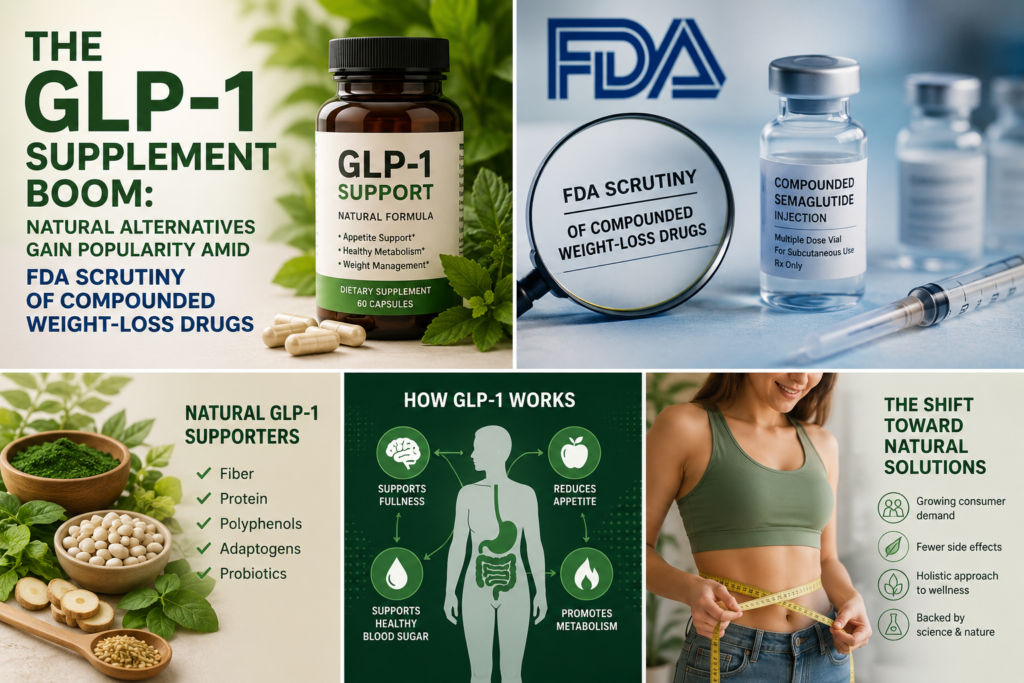
The GLP-1 supplement sector is part of a broader wellness boom. With the pharmaceutical market projected at massive scales, supplements capture the “natural” and preventive niche. Sales data from retailers show double-digit quarterly growth. Innovation includes gummies, powders, and “companion packs.”
Economic ripple effects include opportunities for food manufacturers (high-fibre functional foods) and challenges for traditional diet programs. Insurance rarely covers supplements, but their affordability broadens access across demographics, including lower-income groups disproportionately affected by obesity.
Potential Benefits, Risks, and Ethical Considerations
Benefits:
- Improved satiety and modest weight/glucose control.
- Fewer severe side effects than injectables.
- Empowerment through accessible wellness tools.
- Synergies with exercise and nutrition.
Risks:
- Inconsistent efficacy.
- Gastrointestinal upset during adaptation.
- Delayed professional medical care should not be relied upon solely.
- Quality variability and financial waste on ineffective products.
- Unknown long-term impacts.
Ethically, the industry must balance innovation with transparency. Overpromising could erode trust in evidence-based medicine.
Future Outlook: Integration, Research, and Personalisation
Looking ahead, expect more clinical trials on specific formulations, AI-driven personalisation, and hybrid approaches (supplements + lower-dose drugs). Oral GLP-1 pills like orforglipron are advancing, but supplements will likely remain popular for prevention and support.
Broader applications may emerge: heart health, brain health, addiction, and longevity. Public health campaigns could emphasise holistic metabolic care over quick fixes.
Conclusion: A Tool, Not a Miracle
GLP-1 supplements, born in the shadow of pharmaceutical success and regulatory shifts, offer a promising adjunct for those managing type 2 diabetes and obesity. With their May 9, 2025, origin point and explosive growth, they symbolise consumer demand for options beyond prescriptions. Yet, they are no panacea. Sustainable results demand lifestyle commitment, medical guidance, and tempered expectations.
As search volumes continue climbing, the conversation must evolve from hype to informed choice. For the millions affected by metabolic disorders, these supplements could be one piece of a larger puzzle—empowering healthier lives in an era of unprecedented scientific progress.
—