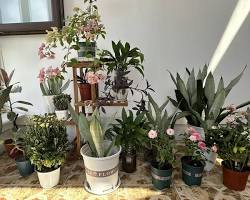
Indoor plants have surged in popularity as more people seek to bring nature indoors, whether in compact apartments, spacious homes, bustling offices, or specialised rooms like bathrooms and kitchens. Beyond their aesthetic appeal, these living companions improve mental well-being, reduce stress, and can help mitigate indoor air pollutants. While the famous NASA Clean Air Study from 1989 highlighted certain plants’ ability to filter volatile organic compounds (VOCs) like formaldehyde, benzene, and trichloroethylene in controlled environments, real-world benefits are more modest but still meaningful—especially when combined with good ventilation.
The key to success is matching plants to your specific location’s light, humidity, and maintenance level. This 2000-word guide covers the best indoor plants for virtually any spot, from low-light corners to sunny windowsills, with practical care advice to ensure they thrive. Whether you’re a beginner or seasoned plant parent, you’ll find options here.
Why Indoor Plants Matter in Any Space
Indoor plants aren’t just decor; they actively contribute to healthier living environments. They boost humidity through transpiration, which can counteract dry air from heating or air conditioning. Many release oxygen and absorb CO2, while some are particularly effective at filtering toxins. Studies and anecdotal evidence suggest they can enhance focus, creativity, and mood—ideal for home offices or bedrooms.
Plants are also forgiving. Many top recommendations tolerate neglect, varying light conditions, and fluctuating temperatures, making them perfect for busy lifestyles or unpredictable indoor climates. The challenge lies in understanding micro-environments: a north-facing window offers low light, while a south-facing one provides bright indirect sun. Bathrooms often have higher humidity, and kitchens may deal with occasional temperature spikes.
Matching Plants to Light Conditions
Light is the most critical factor for plant survival. Categorise your space:
- Low Light (North-facing windows, interior rooms, offices): Indirect or fluorescent light.
- Medium Light (East/west windows): Bright indirect.
- Bright Light (South-facing, near windows): Direct or strong indirect.
Top Plants for Low-Light Locations
Low-light plants are lifesavers for dim apartments, hallways, or shaded bedrooms.

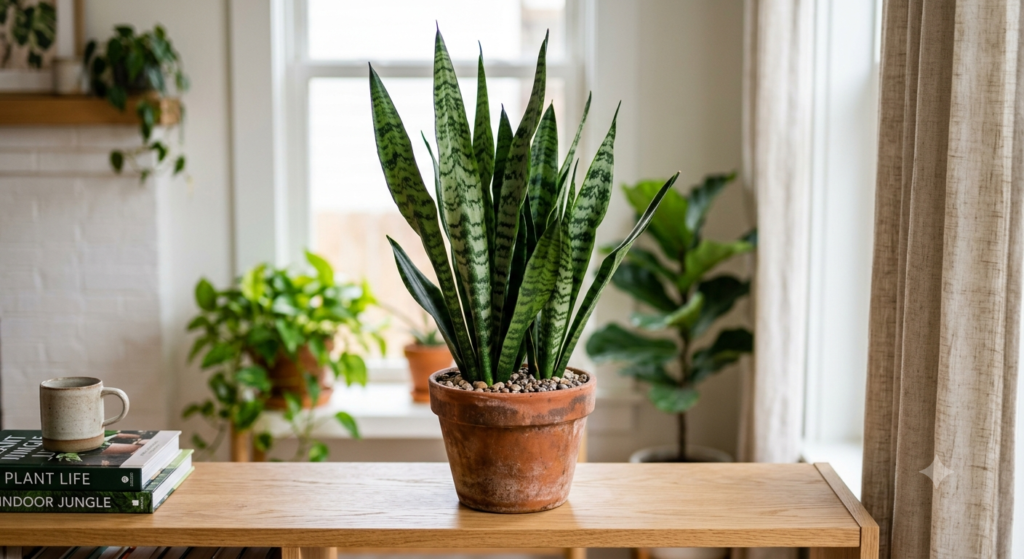
- Snake Plant (Sansevieria trifasciata / Dracaena trifasciata)
- This upright, sword-leaved plant is very hardy, tolerating low light and drought. It grows faster in better light, purifies air, and releases oxygen at night.
- Care: Well-draining soil, avoid overwatering (root rot is the main killer). Wipe leaves occasionally. Varieties like ‘Laurentii’ add yellow edges for visual interest. Height: Up to 3-4 feet indoors.
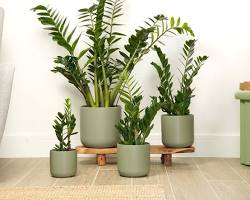
- ZZ Plant (Zamioculcas zamiifolia)
- The ZZ plant is a champion of neglect. Its glossy, dark green leaves store water in rhizomes, allowing it to survive weeks without water or light. Perfect for forgetful owners or dark offices. It purifies air modestly and resists pests.
- Care: Water when the soil is fully dry (every 3-4 weeks). Bright indirect light is ideal, but it adapts to low light. Toxic to pets if ingested.
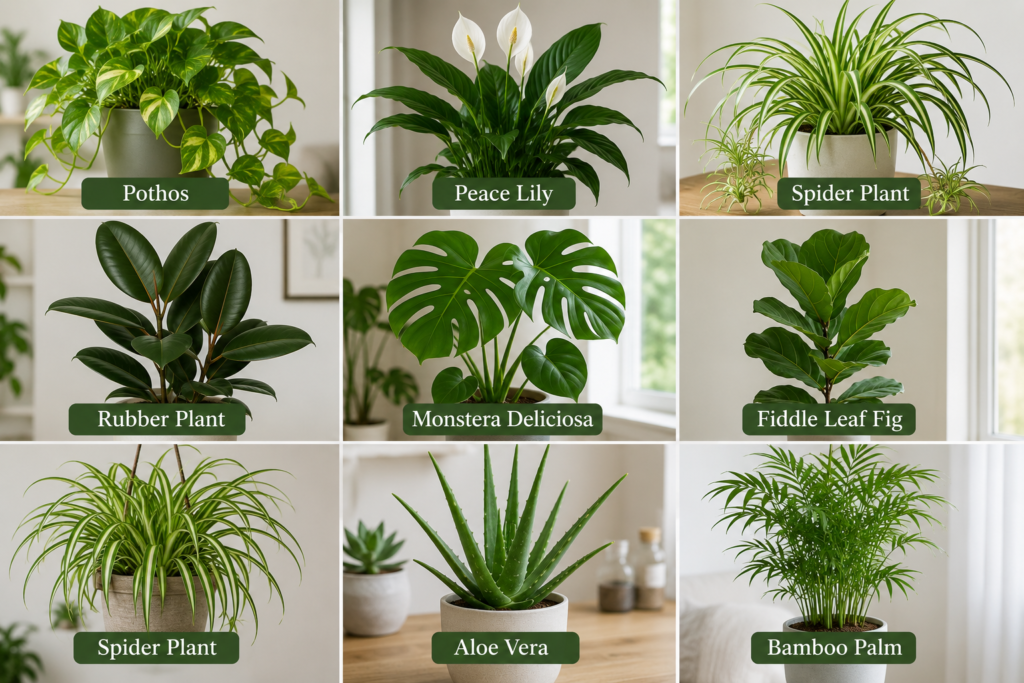
- Pothos (Epipremnum aureum)
- Golden Pothos or Devil’s Ivy is a trailing vine that’s incredibly versatile. It thrives in low to medium light and purifies a wide range of toxins. Its heart-shaped leaves come in green, variegated, or neon varieties.
- Care: Water when the top inch of soil is dry. Prune to encourage bushiness. Excellent for hanging baskets or shelves. Fast-growing and beginner-friendly.
- Peace Lily (Spathiphyllum)
- With elegant white blooms (actually spathes) and deep green foliage, Peace Lilies signal thirst by dramatically drooping— a helpful trait for new plant owners. They prefer low to medium light and higher humidity.
- Care: Keep soil moist but not soggy. Mist leaves. Great air purifier for formaldehyde and ammonia. Note: Toxic to pets.
Other low-light standouts include Cast Iron Plant (Aspidistra), Chinese Evergreen (Aglaonema), and Philodendron varieties.
Plants for Medium to Bright Locations
Brighter spots allow for more variety, including flowering plants.
- Spider Plant (Chlorophytum comosum): Easy, prolific, and produces “spiderettes” for easy propagation. Excellent air purifier, tolerates various lights but prefers bright indirect.
- Rubber Plant (Ficus elastica): Bold, large leaves. Tolerates medium light but prefers brighter. Removes formaldehyde effectively.
- Monstera Deliciosa: Iconic split leaves. Needs medium to bright indirect light and support as it climbs. Humid environments suit it best.
- Fiddle Leaf Fig (Ficus lyrata): Dramatic but finicky; needs consistent bright indirect light and stable conditions.
Succulents and cacti like Jade Plant (Crassula ovata) or Aloe Vera love bright light and minimal watering. Aloe also offers soothing gel for minor burns.
Best Indoor Plants by Room
Bathrooms: Humidity Lovers
Bathrooms provide natural humidity from showers, suiting tropical plants.
- Boston Fern (Nephrolepis exaltata): Lush, feathery fronds. Thrives in high humidity and low to medium light. Top air purifier.
- Peace Lily and Pothos: As above.
- Calathea or Prayer Plant (Maranta): Striking patterned leaves that fold at night. Loves humidity but avoids direct sun.
- Air Plants (Tillandsia): No soil needed; mist regularly. Great for shelves or terrariums.
Ensure good ventilation to prevent mould.
Kitchens: Hardy and Functional
Kitchens often have variable light and occasional heat.
- Herbs like Basil, Mint, Rosemary: Edible and aromatic. Need bright light; supplement with grow lights if needed.
- Snake Plant or ZZ: For low-maintenance corners.
- Spider Plant: Handles ethylene gas from ripening fruit.
- Aloe Vera: Practical for kitchen burns.
Living Rooms and Offices: Statement Pieces
- Rubber Plant or Fiddle Leaf Fig: For height and drama.
- Dracaena varieties: Tall, architectural. Good air cleaners.
- Bamboo Palm (Chamaedorea seifrizii): Adds tropical vibe, tolerates low light, purifies air.
Bedrooms: Nighttime Oxygen Boosters
Snake Plant, Peace Lily, and Lavender (for scent and calm) are excellent. Avoid heavily fragranced plants if sensitive.
Apartments and Small Spaces

Vertical options like trailing Pothos, String of Hearts (Ceropegia woodii), or hanging Spider Plants maximise space. Compact succulents fit windowsills perfectly.
Essential Care Tips for Success
Watering: Overwatering kills more plants than anything else. Check soil moisture with your finger—water thoroughly when the top 1-2 inches are dry. Use room-temperature water and ensure pots have drainage holes. Reduce frequency in winter.
Soil and Repotting: Use well-draining potting mix. Repot every 1-2 years or when roots crowd.
Humidity: Most tropical plants prefer 40%-60%+ humidity. Use pebble trays, humidifiers, or group plants. Mist cautiously to avoid fungal issues.
Fertilising: Feed during growing season (spring/summer) with balanced liquid fertiliser diluted to half strength monthly.
Pests and Problems: Watch for spider mites, mealybugs, or scale. Treat with neem oil or insecticidal soap. Yellow leaves often indicate overwatering; brown tips suggest low humidity or underwatering. Leggy growth means insufficient light.
Propagation: Many like Pothos and Spider Plants root easily in water, making them shareable.
Safety: Many popular plants (Philodendron, Peace Lily, Pothos) are toxic to pets and children. Opt for pet-safe alternatives like Spider Plant, Boston Fern, or Calathea if needed.
Advanced Considerations and Trends
For air purification, combine multiple plants: Snake Plant + Peace Lily + Spider Plant for broad coverage. Larger plants have a greater impact, but even small ones help.
Incorporate grow lights (full-spectrum LED) for low-light homes. Hydroponic or self-watering systems suit travellers. Biophilic design—integrating plants thoughtfully—enhances interior aesthetics and wellness.
Sustainability matters: Choose locally grown or propagated plants to reduce carbon footprint. Avoid invasive species outdoors if you ever transplant.
Common myths: Plants don’t significantly “clean” entire room air in typical homes due to ventilation rates, but they contribute cumulatively and offer psychological benefits.
Troubleshooting Common Issues
- Wilting: Usually underwatering or root issues from overwatering.
- Leaf Drop: Shock from moving, light changes, or drafts.
- Pests: Isolate affected plants.
- Slow Growth: Normal in low light or winter; provide more light/fertiliser in season.
Start small: Pick 2-3 resilient plants like Snake Plant and Pothos. Observe and adjust. Join online communities for support.
Conclusion: Green Your Space, Transform Your Life
From the ultra-forgiving ZZ Plant in a dark corner to a thriving Monstera in a sunny living room, there’s a perfect indoor plant for every location. These plants not only beautify but also foster a connection to nature, potentially improving air quality and mood. Experiment, learn from successes and failures, and watch your indoor jungle flourish.
With proper matching and basic care, indoor gardening is accessible to everyone. Invest in quality pots, good soil, and patience—you’ll reap rewards for years. Whether purifying air, adding life to sterile offices, or creating a spa-like bathroom, the best indoor plants turn houses into homes. Start today; your green companions await.
====